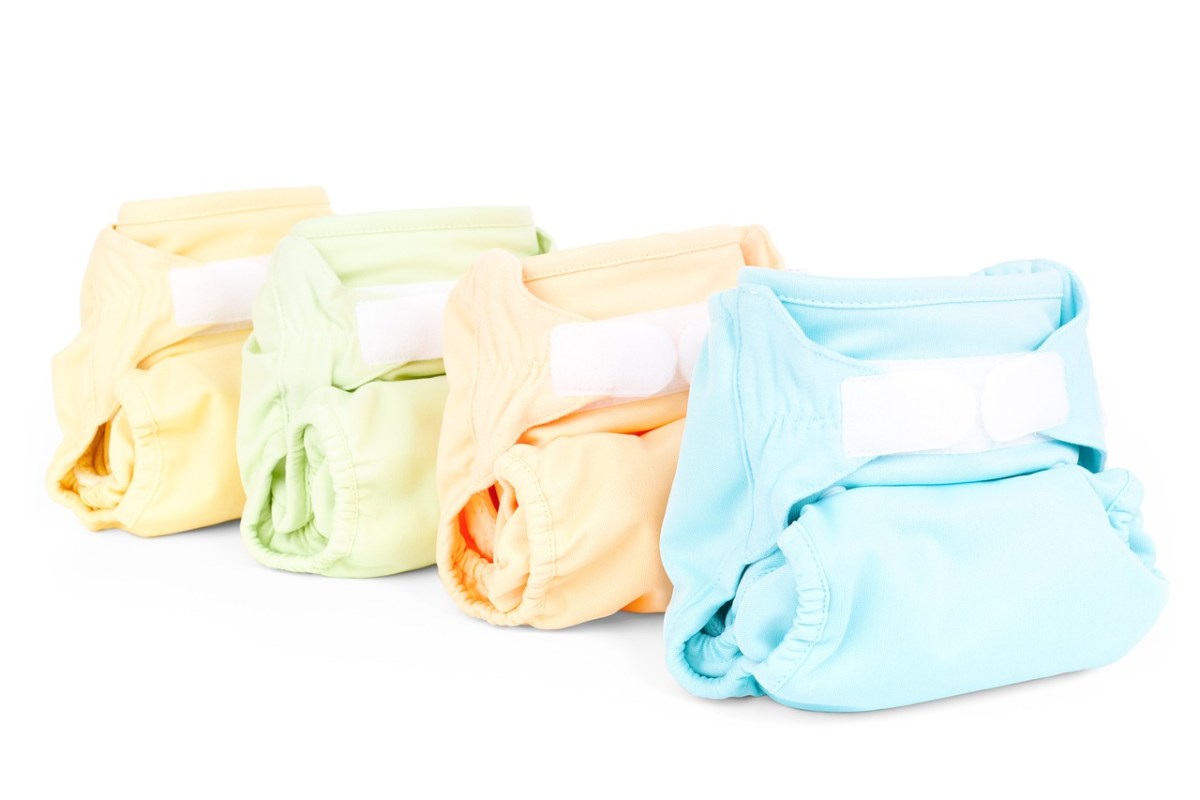
If you’re a new parent, diaper rash might be a new concern for you as a caregiver. Baby diaper rash is a common condition that affects most infants at some point in their early years. It causes redness, irritation, and discomfort in the bottoms where the diaper rubs against the baby’s skin.
In this guide, we will discuss common diaper rash symptoms, treatment, and the benefits of using best diaper rash cream & oils for your baby girls.
Common Symptoms, Causes, & Treatment of Baby Diaper Rash
The symptoms of diaper rash usually appear on the buttocks, genitals, and thighs of a baby girl. The affected area turns red, and the skin may become chapped, swollen, and tender.
In severe cases, the rash may develop blisters or ulcers that can cause pain and discomfort.
In extreme cases, the rash may spread to other parts of the body, such as the abdomen, back, or face.
Causes of Diaper Rash
Diaper rash can be caused by friction from the diaper, irritation from urine or stool, yeast infections, bacterial infections, allergies to diaper wipes or soaps, and introducing new foods.
Types of Diaper Rash
There are different types of diaper rash, each with slightly different appearances. If the rash is severe, persistent, or accompanied by a fever, consult a pediatrician to determine the type and best course of treatment.
Preventing Diaper Rash
Frequent diaper changes (every 2-3 hours or more often with loose stools), using breathable diapers, allowing for diaper-free time, and using a barrier ointment like petroleum jelly at each diaper change can help prevent diaper rash.
When to See a Doctor
If the diaper rash worsens after a few days of home treatment, becomes blistered or infected, spreads beyond the diaper area, or is accompanied by a fever, consult a pediatrician.
Treatment of Diaper Rash
The best way to treat diaper rash is to keep the skin dry and clean. Changing your baby’s diaper frequently is the first step. Avoid using chemical baby wipes or harsh soaps on your baby’s delicate skin. Instead, use warm water and a soft cloth to clean the area gently. Allow the area to dry naturally before putting on a clean diaper.
Reensing diaper rash balm can be used for symptomatic relief. Apply a liberal amount of cream to the affected area, covering it completely. Be sure to apply it under folds of skin, such as the buttocks, where moisture can occur.
Most nappy rash creams are best applied in thin layers. However, if the rash is severe, you can apply a thicker layer.
Benefits of organic diaper rash relief oils & cream
There are several benefits of using organic diaper rash relief oils and creams on your baby girl.
- Natural products are gentle on your baby’s delicate skin, reducing the risk of any irritation or harmful side effects.
- Organic diaper rash relief oils and creams are free from chemicals and fragrances, making them safer for your baby’s health.
- It can soothe inflammation, reduce itching, and promote healing naturally.
- Can create a natural barrier between the skin and the diaper, preventing moisture buildup and reducing the risk of diaper rash.
- Organic diaper rash relief oils and creams can also help calm and relax your baby, promoting better sleep and reducing stress.
How to apply diaper rash cream on a baby girl?
When applying diaper rash cream on a baby girl, ensure that your hands are clean. Start by washing your hands thoroughly with warm water and soap. Once your hands are clean, dry them with a clean towel.
- Gently clean the baby’s diaper area with lukewarm water or a mild cleaning solution. Avoid using soap, as it can be harsh on delicate skin.
- Pat the area dry with a clean towel, or leave it to air dry.
- Apply the diaper rash cream generously to the affected area, spreading it evenly over the area where the rash has developed.
- Be thorough and ensure that you apply the cream under any skin folds where moisture can accumulate.
- Apply a thin layer of organic diaper rash relief balm over the top of the cream, which will help protect the area and provide additional healing benefits.
- Put on a clean nappy, ensuring that it fits snugly around your baby’s waist and thighs.
- Repeat the process at every diaper change until the rash clears up.
In conclusion, diaper rash can cause a great deal of discomfort to your baby girl. However, with the right care and treatment, the rash can be quickly relieved. Organic diaper rash relief oils and creams are gentle for your baby’s delicate skin and can provide natural and healing benefits.
Applying diaper rash cream is easy, and when done appropriately, it can alleviate symptoms and provide comfort to your little one.
 Subjective Fitness