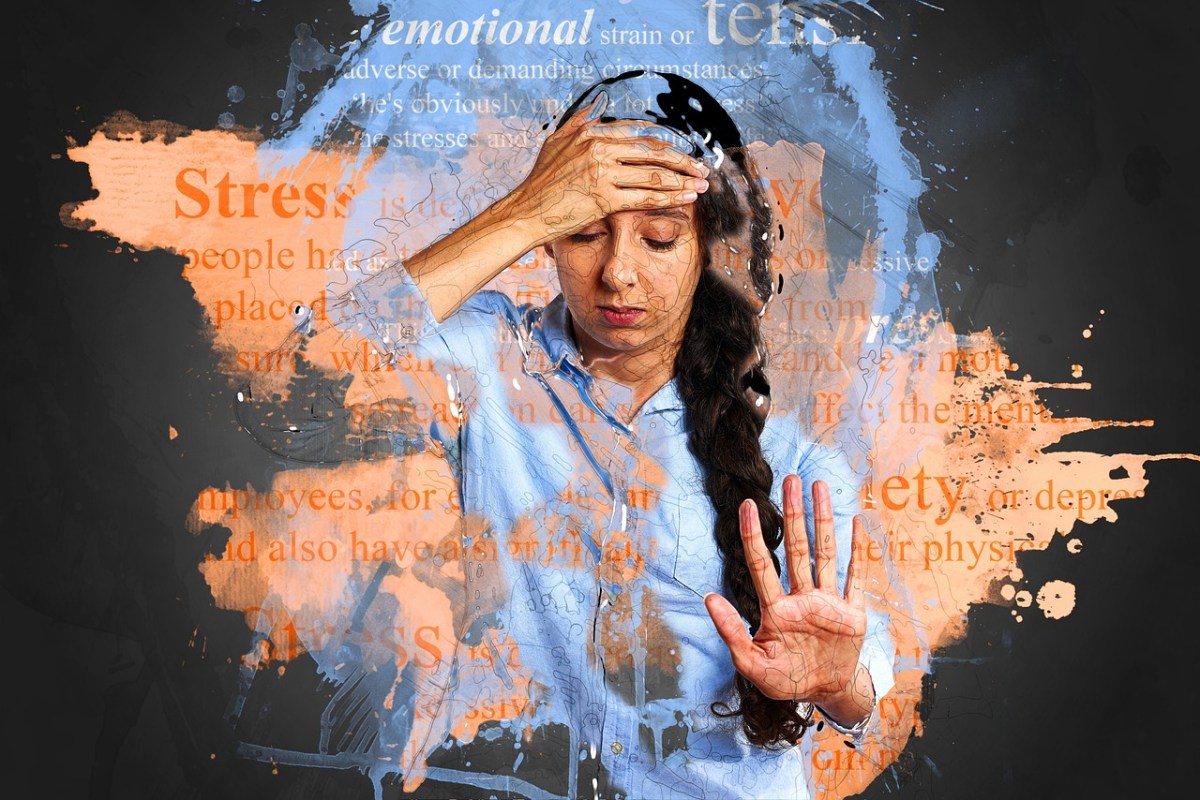
Anxiety is a common and wide-spread mental health condition effecting millions of people worldwide. There is no one-size-fits-all treatment for managing anxiety, developing healthier a lifestyle and habits can significantly reduce its impact.
How to Set Healthy Boundaries (and Why They Matter)
In this guide, we will discuss about 5 scientifically proven habits that can help lower anxiety and promote a healthier well-being.
- Regular Exercise: Engaging in regular physical activity has been shown to have a positive impact on mental health, including anxiety reduction. Regular exercise and workouts helps regulate the production of stress hormones such as cortisol and releases endorphins, which enhance mood and promote relaxation. Schedule at least 30 minutes of for moderate to intense workout most days of the week to experience the anxiety-reducing benefits.
- Practicing Mindfulness and Meditation: Mindfulness involves being fully present in the moment, accepting thoughts and feelings without judgment. This practice has been shown to reduce anxiety symptoms by helping individuals focus on the present rather than worry about the future. Incorporating mindfulness meditation into your daily routine can help train your mind to stay grounded and calm, reducing anxiety over time.
- Maintaining a Healthy Diet: What you eat can have a significant impact on your anxiety levels. Research suggests that consuming a well-balanced diet consisting of whole grains, lean proteins, fruits, and vegetables can help reduce anxiety symptoms. Avoiding excessive caffeine, alcohol, and processed foods can also help stabilize mood and promote overall well-being.
- Getting Enough Sleep: Lack of sleep can contribute to increased anxiety levels. It’s important to prioritize a healthy sleep routine by aiming for 7-9 hours of quality sleep per night. Establish a relaxing bedtime routine, limit screens before bed, and create a comfortable sleep environment to enhance the quality of your sleep and reduce anxiety symptoms.
- Social Support and Connection: Humans are social beings, and maintaining healthy relationships is crucial for overall well-being, including anxiety reduction. Develop a supporting relationship with trusted friends, family, or a physiotherapist near me who can provide emotional support during difficult times. Engaging in social activities and seeking social support when you need can help reduce stress and anxiety levels.
By applying these scientifically proven habits into your daily routine, you can take meaningful steps towards reducing anxiety and improving your overall quality of life.
If you’re struggling with anxiety, it’s advisable to consult with a mental health professional near you who can provide personalized guidance and support.
It’s important to remember that each person’s experience with anxiety is different, and what works for one individual may not work for another.
 Subjective Fitness